
Carbon Sequestration
Biochar provides durable carbon removal when land-applied, playing a significant role in the growing carbon economy.
Federal and state frameworks govern how biosolids are treated, disposed of, or reused. With evolving regulatory expectations and mounting scrutiny of traditional pathways like land application and landfills, engineered biochar offers a controlled, compliant alternative that transforms biosolids into a stable material through heat, not chemical additives.
What is biochar?
By converting organic waste into biochar, we provide a sustainable solution that addresses emerging contaminants like PFAS, microplastics, and pharmaceuticals while providing remediation and construction material solutions and contributing to carbon sequestration.
Biochar provides durable carbon removal when land-applied, playing a significant role in the growing carbon economy.

Biochar captures metals, volatile organic compounds (VOCs), and PFAS, and supports circular treatment systems by reducing PFAS through thermal processing.

Biochar sequesters metals and other contaminants in polluted soils, aiding in environmental cleanup.
Biochar derived from biosolids can be incorporated into construction materials, offering a consistent resource that diverts waste from landfills and supports a circular reuse system.

This approach follows the ideas of a circular economy by turning organic waste streams, like biosolids, into a valuable and stable form of carbon called biochar. Turning these materials into useful resources keeps waste out of landfills and puts it to work in environmental cleanup, construction, and long-term carbon storage.
Turning waste into a resource
This approach converts an organic waste stream into stable biochar that can support circular reuse, environmental remediation, and carbon storage.
Biosolids are nutrient-rich organic materials created during wastewater treatment. After solids are separated from water and processed to reduce germs and odors, they can be converted into renewable energy and biochar, reducing landfill disposal and creating useful materials for construction, filtration, and remediation.

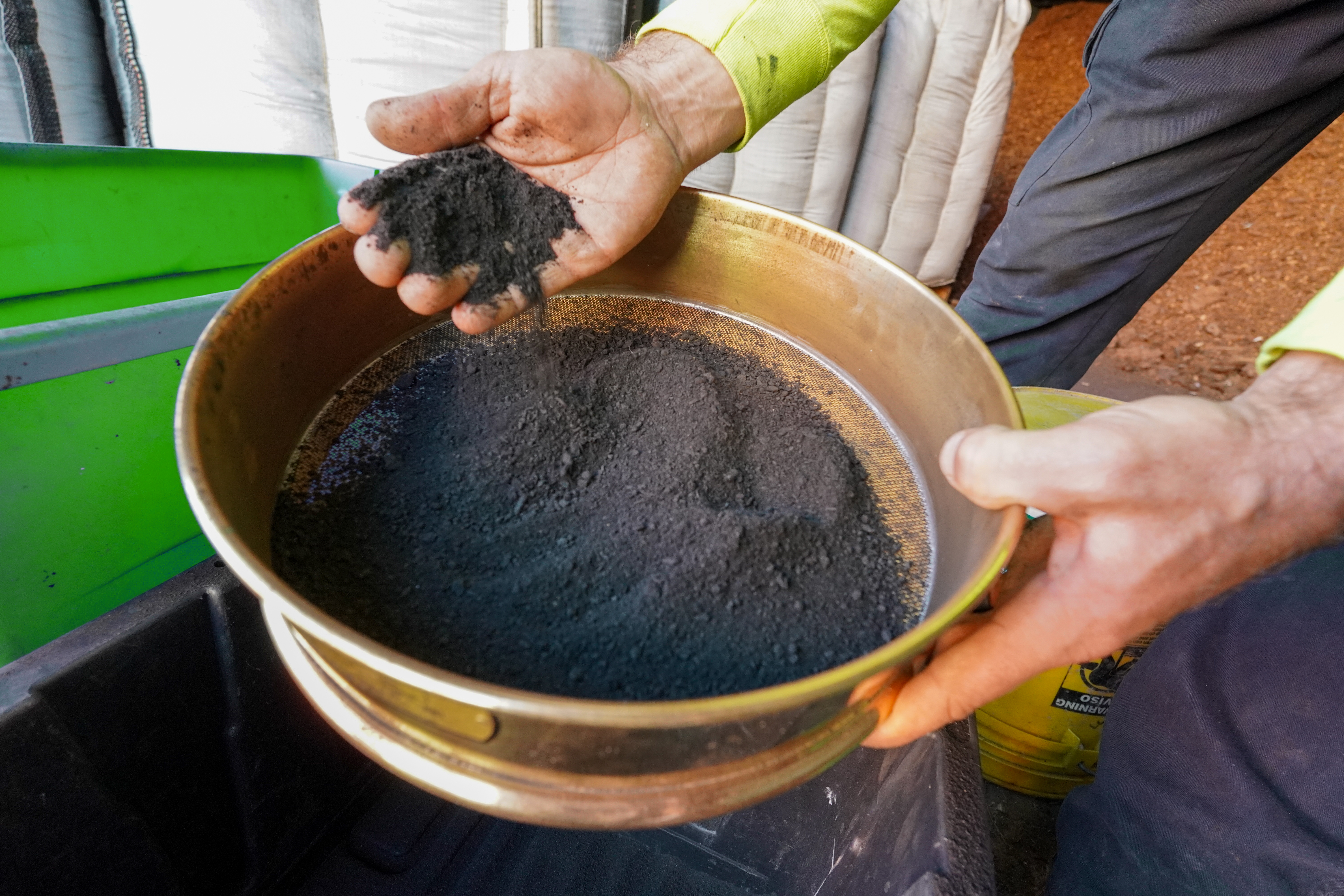
Biochar is a stable, carbon-rich product created by heating organic waste. Converting biosolids into biochar can help address contaminants such as PFAS while producing a useful material for environmental cleanup, construction materials, and long-term carbon storage.
Questions
Quick answers about operations, safety, community impact, and beneficial reuse.
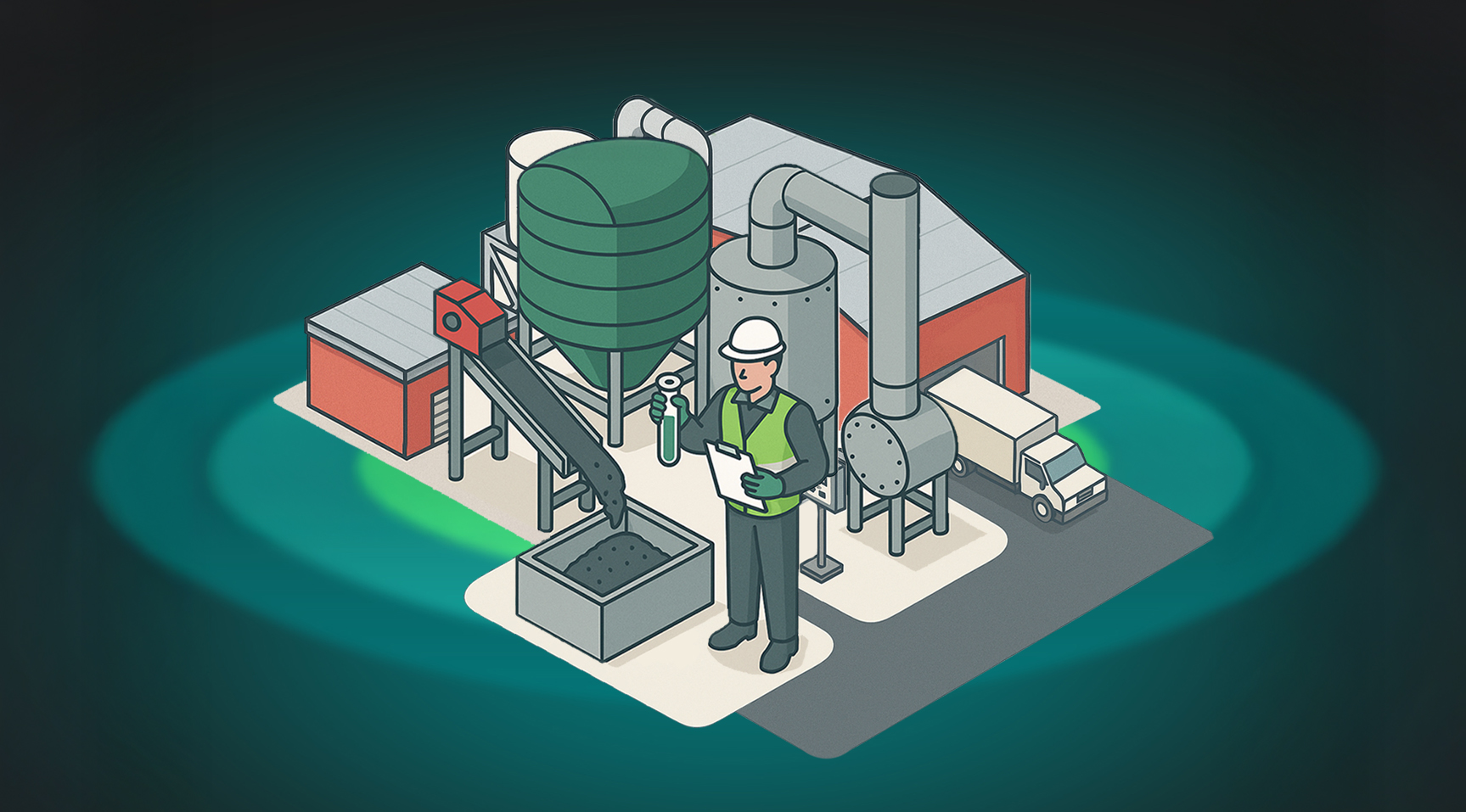
Biochar facilities are designed with advanced odor and emissions controls from the ground up. Facilities are sealed and maintained under negative pressure, routing all air through multi-stage filtration, scrubbers, biofilters, and particulate separators.

On most days, fewer than 12 trucks come and go from a biochar facility, fewer than at a typical grocery store. Each load is tracked from its source, ensuring transparency and accountability. This careful documentation minimizes the facility impact on the surrounding community.

Independent testing of biochar has shown non-detectable levels of PFAS, microplastics, and pharmaceutical residuals. A high-temperature gasification process is one of the few that can break down these contaminants, making the end product safe and usable.
Biochar will not be used on farms, and that is by design. Instead, biochar will be used in construction materials like concrete and asphalt, and for environmental remediation. That means no risk to food or soil, and a powerful way to turn waste into a valuable product.

Landfilling is linear; our process is circular. Putting biosolids in landfills passes the problem downstream and increases long-term risk. Earthcare's solution is breaking the cycle of contamination by turning waste into a carbon-rich product that is clean, tested, and useful.

Research and new regulations are changing how biosolids are treated and managed. These resources provide more information about biochar production, thermal conversion, and standards for use.
Newsroom
Recent coverage and policy developments on PFAS, land application, thermal treatment, and biochar reuse.
Pennsylvania regulators proposed a tiered system for monitoring PFOA and PFOS in biosolids applied to land. Land application would be prohibited when either chemical reaches 100 micrograms per kilogram. Levels of 20 micrograms per kilogram or higher would require reduced application rates and a source-reduction plan. PADEP’s proposed permitting changes will also require Phosphorus “P-Indexing” (prior soil testing) of fields where biosolids or food processing residuals will be applied which may also impact allowable application rated to prevent excess accumulation of phosphorus in soils that might run off or leach to waterways or groundwater.
Read: WasteDive
Connecticut expanded its restrictions on biosolids and wastewater sludge containing PFAS to include fertilizers intended for land use. Manufacturers and suppliers may be required to provide compliance certificates, which could mean fewer biosolids products on store shelves. The article advises shoppers to read labels and consider compost made from leaves, grass, wood, or animal waste.
Read: courant.com
Pennsylvania DEP proposed permit updates that would require wastewater treatment facilities to monitor PFOS and PFOA in biosolids used on land, and to create reduction plans if levels exceed certain thresholds. The draft permits are open for public comment from July 4 through September 2, 2026.
Read: pa.gov
A Times Union article reports that Rensselaer County officials are opposing proposed New York legislation that would place a five-year moratorium on biosolids land application. Supporters say the pause would give the state time to study PFAS risks and evaluate disposal options, while county officials warn it could raise costs and shift more sludge to landfills.
Read: TimesUnion